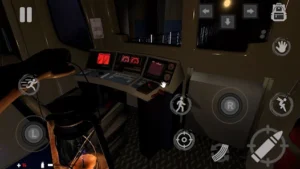
Baku stands as a fascinating blend of ancient history and modern development, where oil wealth meets architectural ambition. Within this dynamic capital city, The Last Station Baku represents more than just a transit point—it’s a symbol of how Azerbaijan’s largest metropolis connects its communities, neighborhoods, and people through an efficient public transport network.
Understanding Baku’s Transport Infrastructure
The capital of Azerbaijan has undergone remarkable transformation over recent decades. From a Soviet-era city to a modern Caspian Sea metropolis, Baku’s infrastructure reflects this evolution. The metro system, launched in the 1960s, remains the backbone of daily commuting for millions of residents and visitors.

The Last Station Baku serves as a critical terminus point where countless journeys begin and end each day. Unlike cities where transport simply moves people from point A to point B, Baku’s stations have become community hubs where local culture, commerce, and daily life intersect.
The Role of Terminal Stations in Urban Life
Terminal stations hold unique significance in any city’s transport ecosystem. They’re not merely stops along a route—they anchor entire neighborhoods, influence property development, and shape how communities grow around them. The Last Station Baku exemplifies this perfectly.
When you arrive at a terminal station in Baku, you’ll notice something different from mid-route stops. There’s a distinct energy, a sense of arrival or departure. Small shops cluster around exits, taxi drivers wait for passengers, and locals use these spaces as meeting points. The architecture often differs too, with terminal stations receiving more attention in design and facilities.
Daily Life Around Terminal Points
Morning rush hour tells the real story of The Last Station Baku’s importance. Starting around 7 AM, streams of commuters flow through turnstiles. Students heading to universities, office workers traveling downtown, vendors transporting goods—each person contributes to the rhythmic pulse of city life.
The demographics shift throughout the day. Mid-morning brings shoppers and older people residents making their rounds. Afternoon sees schoolchildren returning home, their chatter filling platforms and carriages. Evening rush reverses the morning flow, as tired workers return to neighborhoods near The Last Station Baku.
Architectural and Design Elements
Azerbaijan’s approach to public infrastructure balances functionality with aesthetic consideration. Terminal stations often feature higher ceilings, better lighting, and more spacious platforms than intermediate stops. This design philosophy acknowledges that these spaces serve multiple purposes beyond simple transit.
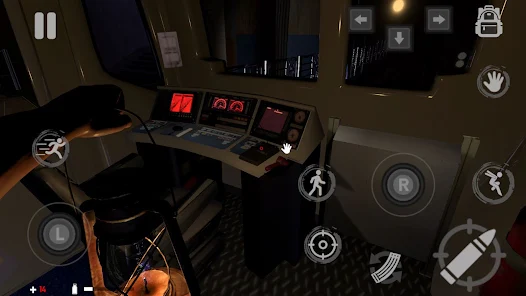
The Last Station Baku typically incorporates elements reflecting local culture. You might find decorative panels showcasing traditional Azerbaijani patterns, or murals depicting regional history. These artistic touches transform utilitarian spaces into environments that celebrate national identity while serving practical needs.
Connecting Communities Through Transit
The true value of terminal stations lies in their connectivity function. The Last Station Baku doesn’t exist in isolation—it’s part of an integrated network linking residential areas with commercial districts, cultural venues, and educational institutions.
For residents living near the terminus, this connection proves invaluable. Without reliable public transport, many neighborhoods would face isolation from economic opportunities concentrated in central districts. The metro line ending at The Last Station Baku bridges these geographic and economic divides.
Economic Impact on Surrounding Areas
Property values near metro terminals follow predictable patterns. Proximity to The Last Station Baku influences real estate markets, with apartments and commercial spaces commanding premiums based on walking distance to the station entrance.
Small businesses flourish around terminal points. Coffee vendors set up before dawn to serve early commuters. Evening food stalls cater to hungry passengers heading home. These micro-economies depend entirely on foot traffic generated by the station’s presence.
The Commuter Experience
Riding the metro to The Last Station Baku offers insights into local life unavailable through tourist experiences. Observe how passengers interact—or don’t. Notice the unspoken rules governing behavior: where to stand, when to offer seats, how to navigate crowded carriages during peak hours.
Regular commuters develop routines tied to specific carriages or platform positions. They know which exit saves thirty seconds during transfers, which vendors sell the freshest bread, which routes avoid construction delays. This accumulated knowledge forms an invisible map of urban expertise.
Seasonal Variations and Usage Patterns
Baku’s climate influences how people use The Last Station Baku throughout the year. Summer heat drives more people underground to air-conditioned carriages. Winter winds make covered stations attractive gathering points. Holiday periods see different travel patterns as work schedules shift and families visit relatives.
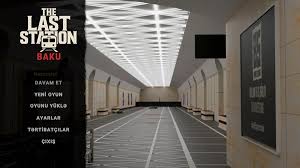
Tourism peaks during spring and autumn, when weather proves most pleasant. Foreign visitors navigating the metro add another layer to station dynamics, often pausing to study maps or asking directions, reminding regular commuters of infrastructure they otherwise take for granted.
Maintenance and Infrastructure Challenges
Keeping terminal stations operational requires constant work. The Last Station Baku undergoes regular maintenance to handle heavy daily traffic. Track inspection, escalator repair, electrical system updates—these behind-the-scenes activities ensure reliable service.
During major renovations, commuters face temporary disruptions. However, modernization programs gradually upgrade facilities, improving accessibility, safety, and comfort. New lighting systems, renovated platforms, and enhanced security measures appear incrementally, transforming stations without halting service completely.
Cultural Significance Beyond Transportation
Metro stations in former Soviet republics carry historical weight. The Last Station Baku connects present-day Azerbaijan to its Soviet past while pointing toward its independent future. The infrastructure itself tells stories of different eras: original construction methods, later expansions, recent modernizations.
Young people meeting friends at the station, older people passengers reminiscing about how areas looked decades ago, workers rushing between jobs—all these human stories unfold against the physical backdrop of transit infrastructure. The station becomes a stage where personal narratives intersect with civic history.
Safety and Security Measures
Modern urban transit requires robust security. The Last Station Baku implements various measures to protect passengers: surveillance cameras, security personnel, emergency communication systems, and clearly marked evacuation routes.
Passenger behavior also contributes to safety. Regular users watch for suspicious packages, report maintenance issues, and assist confused travelers. This collective vigilance complements official security protocols, creating multiple layers of protection for everyone using the facility.
Environmental Considerations
Public transportation significantly reduces carbon emissions compared to individual car usage. Every passenger choosing to travel via The Last Station Baku instead of driving contributes to better air quality in the capital. This environmental benefit rarely receives recognition but matters enormously for urban sustainability.
Future developments may incorporate green technologies: solar panels for auxiliary power, rainwater collection systems, improved ventilation reducing energy consumption. These incremental improvements align with global trends toward environmentally conscious infrastructure development.
Looking Toward the Future
Urban planning continues evolving, and The Last Station Baku will adapt accordingly. Proposed extensions, upgraded facilities, and integration with other transport modes all factor into long-term development strategies. Azerbaijan’s economic growth funds these improvements, transforming how residents move through their capital city.
Smart technology integration represents the next frontier. Digital payment systems, real-time tracking apps, and automated crowd management could revolutionize the commuter experience. While maintaining the essential function of moving people efficiently, future versions of The Last Station Baku might offer conveniences today’s passengers can barely imagine.
Conclusion
The Last Station Baku transcends its technical designation as a transit terminus. It functions as a community anchor, economic catalyst, and daily crossroads for thousands of lives. Understanding this station means understanding how modern Baku operates—the rhythms, patterns, and human connections that transform infrastructure into lived experience.
For visitors, the station offers authentic glimpses of local life unavailable in tourist districts. For residents, it provides essential connectivity enabling participation in the city’s economic and social opportunities. This dual role—serving both functional and cultural purposes—defines what makes terminal stations like this one so vital to urban existence in Azerbaijan’s capital.