If you spend any time browsing through mobile games or casual gaming platforms, you’ve probably come across titles that mix cooking with puzzle-solving. One title that’s been getting attention lately is Souper Game, a fun experience that puts you in charge of making different bowls of deliciousness while managing time, ingredients, and customer expectations.
This isn’t your typical cooking simulation where you just tap buttons and watch things happen. The mechanics require actual thought, planning, and quick reflexes. Whether you’re someone who loves food-themed entertainment or just looking for something engaging to pass the time, this title offers an interesting blend of strategy and creativity.
What Makes Souper Game Different?
The concept revolves around preparing various bowls filled with ingredients. You’re not just following recipes blindly—you need to understand how different components work together, manage your timing, and adapt to increasingly complex orders. Souper Game stands out because it combines time management with creative problem-solving in ways that feel fresh.
Unlike other cooking games that focus solely on speed or accuracy, this one asks you to think about combinations. You’ll experiment with different bases, toppings, seasonings, and garnishes. Some combinations work better than others, and discovering these perfect matches becomes part of the fun.
The visual design keeps things simple and clean. You won’t find cluttered screens or confusing menus. Everything you need is right there, clearly labeled and easy to access. This straightforward approach lets you focus on the gameplay itself rather than fighting with complicated controls.

How the Gameplay Works?
When you first start playing, the mechanics are pretty basic. Customers come in with orders, and you need to fulfill them by selecting the right ingredients and preparing them correctly. You’ll have a base to start with—think about different types of broths or noodle varieties—then add proteins, vegetables, and finishing touches.
As you move through levels, things get trickier. More ingredients become available, orders get more specific, and the time pressure increases. You might need to manage multiple orders simultaneously, which requires planning ahead and prioritizing tasks.
One clever aspect of Souper Game is how it handles mistakes. Unlike some cooking titles that penalize you harshly for errors, this one gives you chances to learn. If you mess up an order, you’ll see what went wrong, which helps you avoid the same mistake later. This teaching approach makes the learning curve feel natural rather than frustrating.
The progression system Rewards both speed and accuracy. You earn points for completing orders correctly and bonus points for doing so quickly. These points unlock new ingredients, recipes, and even new locations to work in. Each new unlock feels meaningful because it expands your options and strategies.
Strategy and Planning
While Souper Game might look simple at first glance, developing good strategies makes a huge difference in your success rate. Experienced players know that preparation is everything. Before the rush of orders begins, smart players will prep certain ingredients in advance, knowing which combinations customers typically request.
Understanding the timing for different ingredients is crucial. Some items need longer preparation times, so starting these first makes sense. Others can be added quickly at the last moment. Learning these rhythms transforms you from a frantic button-masher into a calm, efficient professional.
The game also rewards experimentation. Sometimes the obvious ingredient choice isn’t the best one. Trying unusual combinations might discover recipes that earn bonus points or unlock special achievements. This encourages creative thinking rather than just following formulas.
Resource management plays a bigger role as levels progress. You’ll have limited counter space and ingredient supplies. Deciding what to prep, when to restock, and how to organize your workspace becomes part of the strategic challenge. These decisions separate good players from great ones.
Visual and Audio Design
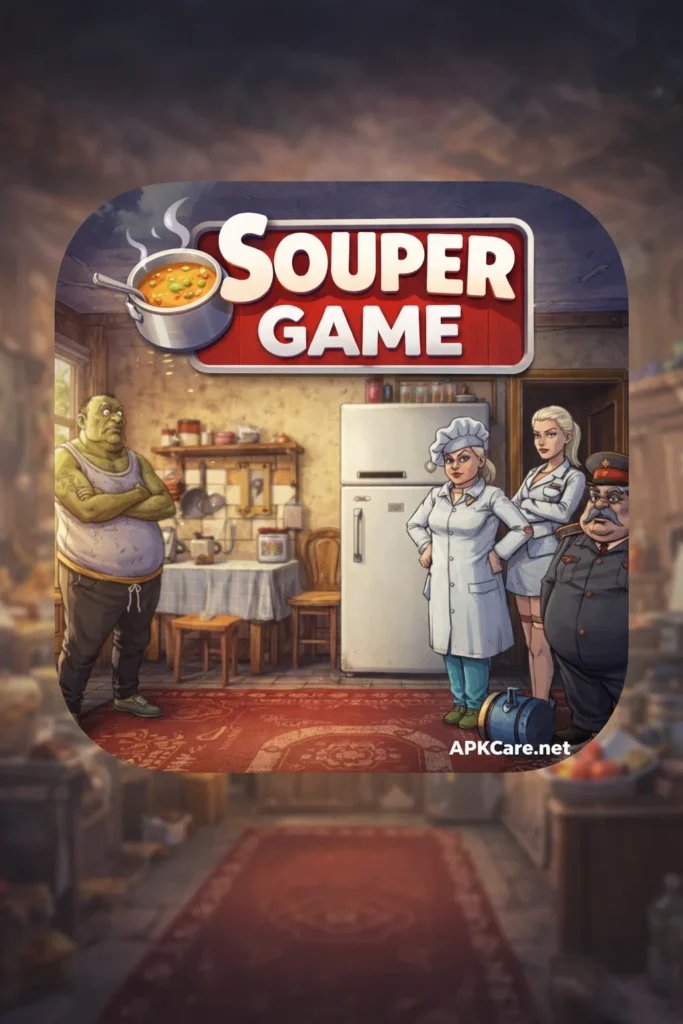
The art style goes for a cheerful, colorful approach that appeals to a wide audience. Ingredients look appetizing without being overly realistic. The animation is smooth, with satisfying visual feedback when you complete actions. Watching a perfectly assembled bowl come together feels rewarding.
Sound design complements the visuals nicely. You’ll hear sizzling, chopping, and bubbling sounds that match the actions on screen. The background music stays upbeat without becoming annoying, which is important for a game you might play for extended sessions. Audio cues also help alert you to important events, like new orders arriving or timers running low.
The interface deserves special mention. Everything is intuitive and responsive. You won’t struggle with tiny buttons or confusing layouts. The developers clearly spent time making sure the controls feel natural, whether you’re playing on a phone or tablet.
Difficulty and Challenge
Souper Game does an excellent job balancing accessibility with challenge. Early levels introduce concepts gently, giving you time to understand each new mechanic. But don’t expect things to stay easy. Later stages demand concentration, multitasking, and quick decision-making.
The difficulty curve feels well-tuned. You’re consistently challenged without feeling overwhelmed. Just when you master one set of skills, the game introduces a new wrinkle that forces you to adapt. This keeps the experience fresh across many hours of play.
Different game modes offer varying levels of intensity. If you want a relaxed experience, there are modes with no time limits where you can focus purely on creating the perfect combinations. For those seeking adrenaline, rush modes pile on the pressure with demanding customers and tight deadlines.
Achievements and challenges provide additional goals beyond just completing levels. These might ask you to use specific ingredients, serve a certain number of customers without mistakes, or complete orders within strict time limits. They add replay value and give you reasons to revisit earlier levels with new objectives.
Who Will Enjoy Souper Game?
Food enthusiasts will obviously find appeal here, but Souper Game reaches beyond that niche. Anyone who enjoys puzzle games, time management challenges, or casual gaming experiences will find something to like. The core gameplay loop is satisfying enough to hook people who normally don’t play cooking games.
Parents looking for appropriate entertainment for younger players will appreciate the wholesome content. There’s nothing objectionable here—just fun gameplay focused on food preparation and customer service. At the same time, the strategic depth means older players won’t feel like they’re playing something overly simplistic.
The game works well for both short and long play sessions. You can knock out a few quick levels during a break or settle in for an extended gaming session. Progress saves automatically, so you never lose your place.
Tips for New Players
Starting out in Souper Game is straightforward, but a few tips can help you progress more smoothly. First, pay attention to customer patience meters. Some customers wait longer than others, so prioritize orders from impatient customers to avoid losing points.
Learn ingredient combinations early. The game rewards you for memorizing popular recipes. Once you recognize patterns in orders, you can start preparing components before customers even request them.
Don’t ignore the tutorial hints. They contain valuable information about timing, strategies, and hidden features. Even experienced players might learn something useful from reviewing these tips.
Upgrade your equipment whenever possible. Better tools mean faster preparation times and more efficient workflows. These upgrades might seem expensive, but they pay for themselves quickly through improved performance.
Final Thoughts
Souper Game succeeds by taking a simple concept and executing it extremely well. The core gameplay is immediately understandable but develops complexity gradually. The visual presentation is appealing, the controls are responsive, and the progression system keeps you motivated to continue playing.
What really makes it work is how everything fits together. The time management aspect creates urgency, the ingredient combinations encourage experimentation, and the progression system provides constant rewards for improvement. None of these elements would be particularly special alone, but combined, they create an engaging experience.
Whether you’re killing time during a commute, relaxing before bed, or looking for a game to play casually throughout the day, this title delivers. It doesn’t demand constant attention or require you to be a hardcore gamer. At the same time, it offers enough depth to satisfy those seeking strategic challenges. The developers continue supporting the game with updates, adding new ingredients, recipes, and features regularly. This ongoing development means the experience stays fresh even for long-time players.