The way we watch television has changed dramatically over the past decade. Gone are the days when families gathered around a single TV set, bound by rigid broadcasting schedules. Today’s viewers want flexibility, variety, and control over their entertainment choices. This shift has given rise to numerous streaming platforms, each promising to deliver content in newer and better ways.
Among the various options available, RapidTV has emerged as a platform that aims to bridge the gap between traditional television and modern streaming demands. The service represents a growing trend in how people consume media, offering an alternative to conventional cable subscriptions while maintaining the familiarity of live television.
Understanding the Streaming Revolution
Before diving into specifics, it helps to understand why streaming services have become so popular. Traditional cable packages often forced viewers to pay for hundreds of channels they never watched. The costs kept climbing, yet the flexibility remained limited. You watched what was on when it was on, or you recorded it for later.
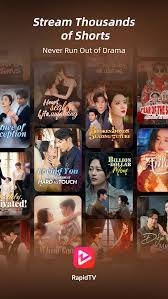
Streaming platforms changed this dynamic entirely. RapidTV offered viewers the power to choose what to watch, when to watch it, and on which device. This freedom resonated with audiences who were tired of rigid schedules and expensive cable bills. The concept of cord-cutting became mainstream, with millions of households abandoning traditional television in favor of internet-based alternatives.
What Makes RapidTV Different?
RapidTV enters this competitive landscape with its own approach to delivering content. The platform focuses on providing live television channels through internet streaming, which sets it apart from on-demand-only services. This means viewers can still enjoy the experience of flipping through channels and discovering what’s currently airing, but without the hardware installations and lengthy contracts often associated with cable providers.
The service typically offers a variety of channels spanning different genres. News, sports, entertainment, movies, and lifestyle programming usually make up the core offerings. This diversity ensures that households with varied interests can find content that appeals to everyone.
One notable aspect is the emphasis on accessibility. Unlike traditional cable that requires professional installation and specific hardware, streaming services can be accessed through devices most people already own. Smart TVs, smartphones, tablets, computers, and streaming devices all serve as potential gateways to the content library.
The Technical Side of Streaming
Streaming technology has advanced significantly, making services like RapidTV possible. The basic principle involves delivering video content over the internet in small packets, which your device assembles in real-time to create a continuous viewing experience.
Several factors influence the quality of this experience. Internet speed plays a crucial role – faster connections support higher resolution streams with less buffering. The platform’s infrastructure also matters. Well-designed systems with robust servers and efficient content delivery networks ensure smooth playback even during peak viewing hours.

Modern streaming platforms use adaptive bitrate technology, which adjusts video quality based on your current internet speed. If your connection slows down temporarily, the stream automatically shifts to a lower resolution to prevent interruption. When speeds improve, quality increases again. This happens seamlessly, often without viewers noticing the transition.
Comparing Costs and Value
One of the biggest draws of streaming platforms is the potential for cost savings. Traditional cable bills can easily exceed a hundred dollars monthly, especially with premium channels and equipment rentals added in. Streaming alternatives typically offer lower monthly rates, though prices vary based on the channel selection and features included.
However, the true value extends beyond just the price tag. Consider the flexibility factor. There are no annual contracts locking you in, no installation appointments to schedule, and no equipment rental fees. If you decide the service isn’t meeting your needs, you can typically cancel without penalties.
The ability to watch on multiple devices also adds value. Family members can enjoy different content simultaneously on their own screens, rather than fighting over the living room TV. This flexibility has become especially important as households have become more mobile and device-centric.
Content Availability and Channel Selection
The strength of any television service lies in its content offerings. RapidTV and similar platforms must secure broadcasting rights for the channels they offer, which involves negotiations with content providers and network owners. This process determines which channels appear in the lineup and sometimes results in regional variations.
Sports programming often presents particular challenges for streaming services. Major sporting events and league games come with complex licensing agreements that can limit availability on certain platforms. Viewers passionate about following their favorite teams need to verify that their chosen service carries the relevant sports channels.

News coverage represents another important category. Access to local news stations alongside national and international news networks helps viewers stay informed about events at all levels. Many people consider this a crucial factor when evaluating television services.
Entertainment and movie channels round out the typical offering. From classic films to current series, from documentaries to reality shows, the variety helps ensure there’s always something to watch regardless of your mood or interest at any given moment.
Device Compatibility and User Experience
The platforms you can access RapidTV on significantly impact its usefulness. Most streaming services prioritize compatibility across popular devices, but the experience can vary. Smart TV apps often provide the most television-like experience, with familiar remote control navigation and large-screen viewing.
Mobile apps bring television entertainment wherever you go. Whether you’re on a lunch break, commuting, or traveling, your favorite channels remain accessible. Tablet apps strike a middle ground, offering portability with a larger screen than phones provide.
Computer access through web browsers offers another option, particularly useful for those who spend significant time at their desks. Some services also support streaming devices like Roku, Amazon Fire Stick, or Apple TV, which can add smart capabilities to older televisions.
The user interface design affects how enjoyable the service is to use. Intuitive navigation, quick channel switching, and helpful features like program guides and search functions all contribute to a positive experience. Poorly designed interfaces, conversely, can make even great content frustrating to access.
Internet Requirements and Performance
Streaming television demands reliable internet connectivity. Most services recommend minimum speeds, but these represent bare minimums rather than ideal conditions. For standard definition content, slower speeds might suffice, but high definition and especially 4K content require substantially faster connections.
Multiple simultaneous streams compound these requirements. If several household members are watching different channels while others browse the web or game online, bandwidth gets divided among these activities. This can lead to buffering or quality reduction if your connection can’t handle the combined demand.
Wired connections generally provide more stability than wireless ones. If you experience frequent interruptions or quality issues, connecting your primary viewing device directly to your router with an ethernet cable often resolves these problems.
Data caps present another consideration. Some internet service providers limit monthly data usage, and streaming video consumes data quickly. Heavy television viewers might approach or exceed these caps, potentially resulting in additional fees or speed throttling.
The Future of Television Streaming
The trajectory of television consumption continues pointing toward streaming solutions. Traditional cable subscriptions keep declining as more viewers embrace internet-based alternatives. This shift drives continued innovation in the streaming space, with services constantly adding features and improving performance to attract and retain subscribers.
Technology improvements will enhance the streaming experience further. Faster internet speeds becoming more widely available will support higher quality streams and more reliable service. Better compression algorithms will deliver improved picture quality without requiring additional bandwidth.
Content offerings will likely expand as streaming platforms negotiate broader rights and potentially produce original programming. The line between traditional television networks and streaming services continues blurring, with many traditional broadcasters launching their own streaming options.
Making the Right Choice
Choosing a television service requires evaluating your specific needs and circumstances. Consider which channels matter most to you, which devices you’ll use for viewing, and what your internet connection can reliably support. Price matters, but the cheapest option isn’t always the best value if it lacks content you regularly watch.
Trial periods, when available, provide valuable opportunities to test services before committing. Use this time to explore the channel lineup, test streaming quality on your devices, and assess whether the interface meets your expectations.
RapidTV represents one option in an increasingly crowded field of streaming services. Like any platform, it has strengths and limitations that will appeal differently to different viewers. Understanding what you need from a television service helps you determine whether this or another option best fits your entertainment lifestyle.
The streaming revolution has fundamentally changed how we access television content, offering unprecedented flexibility and choice. As technology continues advancing and services keep evolving, viewers benefit from better options and more control over their entertainment experiences.