
Every year, natural history museums across the globe transform their halls for one special evening. The lights dim, special exhibits open their doors, and visitors step into a world where creatures that vanished centuries ago seem to walk among us once more. This is the Night of the Extinct, an event that has captured the imagination of millions and sparked conversations about what we’ve lost and what we still have time to save.
What Makes This Event Different?
Most museum visits happen during daylight hours with crowds shuffling past display cases. The Night of the Extinct flips this experience completely. Picture walking through darkened galleries where projected images of Tasmanian tigers prowl across walls, or standing beneath a life-sized woolly mammoth as its story unfolds through sound and light.
The concept started small about fifteen years ago when a handful of museums wanted to do something different for their annual fundraisers. They noticed that people felt disconnected from extinction as a concept. Sure, everyone knew dinosaurs were gone, but the reality of more recent losses didn’t hit home. By creating an immersive evening experience, organizers found they could make those connections stick.
The Creatures You’ll Meet
Walk through any Night of the Extinct event and you’ll encounter species that ranged from massive to tiny, from recently lost to millions of years gone. The dodo bird always draws a crowd. This flightless bird from Mauritius became extinct in the late 1600s, wiped out by sailors and the animals they brought to the island. Seeing a full-scale model, visitors often express surprise at its actual size and appearance, which differs from cartoonish depictions.
The passenger pigeon section tells an even more startling story. These birds once flew in flocks so large they darkened North American skies for hours. Estimates suggest their population reached five billion at peak numbers. Yet by 1914, the last one died in a Cincinnati zoo. The speed of their disappearance shocks most visitors, happening within a single human lifetime.
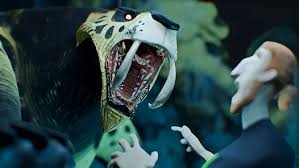
Prehistoric sections feature favorites like saber-toothed cats and giant ground sloths. These animals disappeared around 10,000 years ago as the last ice age ended. Interactive displays let visitors compare their own height to these creatures or see how their hands measure against massive claw prints preserved in ancient mud.
More Than Just Looking at Bones
The Night of the Extinct works because it goes beyond static displays. Many venues bring in paleontologists, conservation biologists, and researchers who share their work. You might find yourself chatting with someone who studies ancient DNA or works to protect critically endangered species today.
Hands-on stations let visitors touch real fossils, examine casts of extinct animal skulls, or try their hand at paleontological techniques. Kids especially love the dig pits where they can brush sand away from replica bones, experiencing the thrill of discovery that drives scientists who dedicate their lives to studying lost species.
Technology plays a huge role in modern events. Virtual reality headsets transport people to prehistoric landscapes where they can watch extinct animals in their natural habitats. Augmented reality apps overlay extinct creatures onto the modern museum space through smartphone screens. One popular installation projects a life-sized Steller’s sea cow swimming overhead as visitors walk beneath it, giving a sense of the massive marine mammal that vanished from Bering Sea waters in the 1760s.
The Message Behind the Magic
While the Night of the Extinct offers plenty of entertainment value, organizers never lose sight of the deeper purpose. Each exhibit connects past extinctions to current conservation challenges.A section on the great auk, a flightless seabird hunted to extinction in 1844, draws parallels to modern seabird populations threatened by climate change and overfishing.
Museum educators carefully balance the tone. Most events include sections highlighting conservation success stories like the California condor, black-footed ferret, and humpback whale populations that have rebounded thanks to dedicated protection efforts.
Interactive voting stations ask visitors questions like “Which habitat should we prioritize for protection?” or “How much would you support policies that protect endangered species?” The data collected helps conservation organizations understand public opinion and shapes future advocacy work.
Why People Keep Coming Back?
First-time visitors often become regulars at the Night of the Extinct. There’s something about the combination of spectacle and substance that resonates across age groups. Parents appreciate that their children leave excited about science and asking thoughtful questions about the natural world. Adults find themselves genuinely moved by stories of creatures they’d never heard of before.
The social aspect matters too. Unlike typical museum visits where noise gets frowned upon, these evening events encourage conversation. Groups of friends compare notes on their favorite exhibits, couples debate conservation priorities, and strangers strike up discussions while waiting in line for popular displays. Food trucks and pop-up bars at many venues add to the festival atmosphere.
Photography policies tend to be relaxed during the Night of the Extinct, and social media lights up with images from attendees. This organic sharing has helped events grow from local affairs to internationally recognized dates on museum calendars. Some cities now see hotels booking up months in advance as natural history enthusiasts plan trips around the event.
Regional Variations Around the World
The Night of the Extinct concept has spread globally, with each region adding its own flavor. Australian museums focus heavily on recently lost marsupials like the Tasmanian tiger and the pig-footed bandicoot. New Zealand events naturally emphasize the moa, massive flightless birds that stood over ten feet tall before Polynesian settlers hunted them to extinction.
European venues often explore the aurochs, the wild ancestor of domestic cattle that vanished in 1627, and the Pyrenean ibex, which briefly became the first species brought back from extinction through cloning in 2003 (though the clone survived only minutes). South American museums showcase incredible megafauna like ground sloths the size of elephants and glyptodonts that resembled armadillos crossed with small cars.
Each location adapts the format to its facilities and audiences. Smaller museums might focus on a single ecosystem and the species lost from it. Larger institutions create multi-floor experiences that can take hours to fully explore. Some venues partner with local artists to create temporary installations that interpret extinction through sculpture, painting, or performance art.
The Science Behind the Stories
What makes the Night of the Extinct valuable beyond its immediate impact is how it communicates real scientific research. Visitors learn about techniques scientists use to study extinct species.
Discussions of de-extinction technology come up frequently. While bringing back long-lost species remains controversial and technically challenging, the ethical questions fascinate people.
These conversations matter because they prepare the public to engage with questions we’ll face as technology advances. The Night of the Extinct creates informed citizens who can participate in decisions about conservation priorities and research funding.
Planning Your Visit
If you’re interested in attending a Night of the Extinct event, check natural history museum websites in your area starting in late winter. Most events happen in spring or fall when weather cooperates for outdoor components. Tickets often sell out quickly, especially for venues with limited capacity.
Wear comfortable shoes since you’ll do plenty of walking. Bring a light jacket as museums sometimes feel cool in the evening. If you’re bringing children, check whether the event has age recommendations. Some installations designed for impact might be intense for very young kids.
Consider arriving early. The best events have more to see than you can cover in one evening, and popular exhibits develop long lines as the night progresses. Many museums offer member previews or early entry tickets that provide access before general admission begins.
The Last Impact
The Night of the Extinct has become more than just an annual museum event. It represents a shift in how institutions approach science communication. Rather than lecturing visitors about extinction, these events let people experience visceral connections to lost species.
Museums track metrics that show the events’ effectiveness. Post-event surveys reveal high rates of visitors seeking additional information about conservation, joining environmental organizations, or making donations to wildlife protection efforts.
The empty spaces where lost creatures once lived will never be filled by the exact same species. But by remembering what we’ve lost and understanding how it happened, we gain the knowledge needed to prevent future losses. That’s the real power of walking among the extinct for one special night each year.