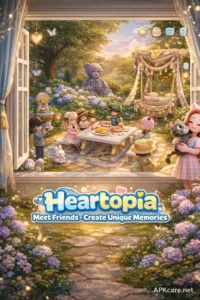
Picture this: you’re sitting on your couch after a long day, looking for something to help you unwind. You want entertainment that doesn’t require too much brainpower but still keeps you engaged. That’s exactly where Heartopia comes in.
This mobile gaming experience has been making waves in the puzzle game community, and for good reason. Unlike those overcomplicated titles that need hours of tutorials, Heartopia gets straight to the point. You match heart-shaped pieces, clear the board, and move forward. Simple, right? But here’s the thing – it’s surprisingly addictive once you start playing.
What Makes Heartopia Game Different?
The match-3 gameplay follows familiar patterns, but the execution feels fresh. You’re working with colorful heart-shaped pieces instead of the usual gems or candies we’ve seen a Million times before. The visual design leans into softer colors and smooth animations that make the whole experience feel less stressful than your typical fast-paced mobile game.
Each level brings its own set of challenges without feeling impossible. You might need to clear specific colored pieces, reach a certain score, or complete objectives within a limited number of moves. The difficulty curve feels natural – you’re not stuck on level three for days, but you’re also not breezing through everything without thinking.
How Heartopia Game Mechanics Work?
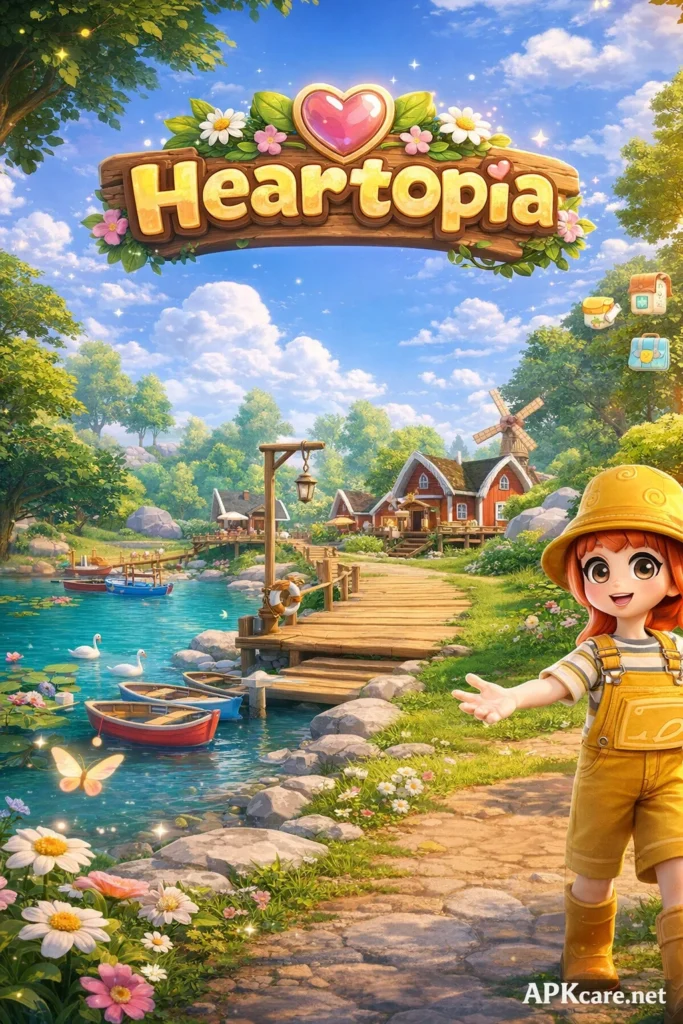
The tile matching system in Heartopia follows straightforward rules. Match three or more identical pieces to clear them from the board. Sounds basic, but the real strategy comes from planning your moves ahead. Creating combinations of four or five pieces unlocks power-ups that can clear entire rows or blast away multiple pieces at once.
These power-ups become essential as you progress through later stages. The game introduces obstacles like locked pieces, barriers, and timed challenges that force you to think beyond just making random matches. You’ll find yourself planning two or three moves ahead, trying to set up those satisfying chain reactions that clear half the board in one go.
The scoring system rewards efficiency. Quick consecutive matches build up your multiplier, giving you more points per move. This encourages a more active playing style rather than just taking your time with every single move. But there’s no pressure – if you prefer the relaxing gameplay approach, that works too.
Level Progression and Challenges
Heartopia structures its content across hundreds of levels, each with unique layouts and objectives. Early stages introduce you to basic concepts, while later levels combine multiple challenge types. You might face a level where you need to clear ice blocks while also collecting specific colored pieces within 20 moves.
The game doesn’t lock you into a linear path either. If you get stuck on a particularly tough level, you can take a break and come back later. There’s no energy system forcing you to wait hours between attempts, which is refreshing in today’s mobile gaming landscape where everything seems designed to milk your wallet.
Boss levels appear every few dozen stages, presenting larger boards with multiple objectives. These feel like mini-events that break up the regular rhythm and give you something to work towards. Completing them usually rewards you with bonus items or currency you can use to get extra moves when needed.
Visual and Audio Design
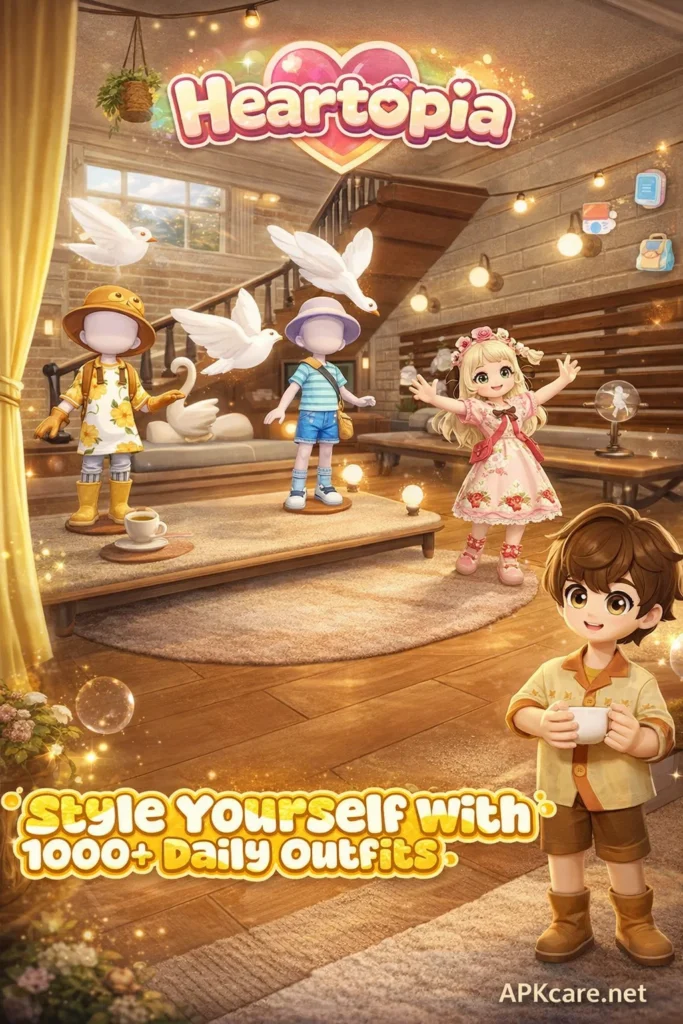
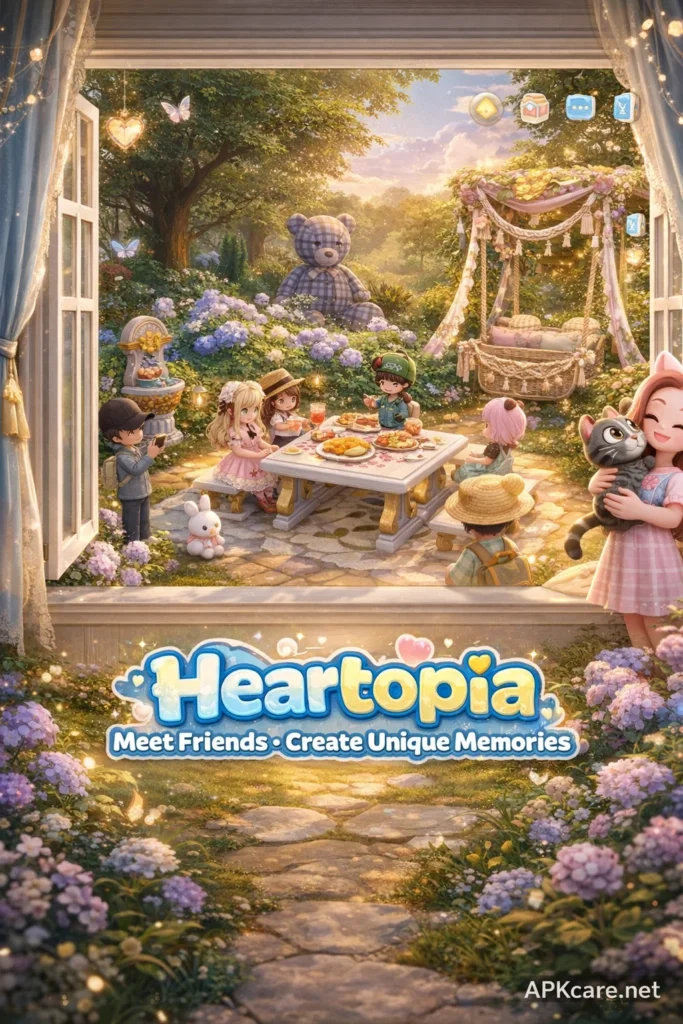
The aesthetics lean toward a cozy, approachable style. Backgrounds feature soft gradients and gentle patterns that don’t distract from the gameplay. The heart-shaped pieces have enough detail to look interesting without becoming cluttered or hard to distinguish.
Sound effects complement the visual design with satisfying pops and chimes when you make matches. The background music stays mellow and unobtrusive. You won’t find aggressive electronic beats or overly cheerful jingles that grate on your nerves after ten minutes. Everything feels calibrated for casual gaming sessions.
Strategy Tips for Better Results
While Heartopia doesn’t require expert-level strategy, a few approaches can improve your performance. Always scan the entire board before making your first move. Look for potential four or five-piece matches that create power-ups. These special pieces often make the difference between barely completing a level and finishing with moves to spare.
Focus on objectives first, then worry about score. If a level asks you to collect 30 red pieces, prioritize matches involving red pieces even if other colors would give you bigger combos. Clear obstacles early when possible – they tend to get in the way later when you’re running low on moves.
Combine power-ups when you can. Matching two special pieces together creates even bigger effects. A row-clearing power-up combined with a color-blast piece might clear 70% of the board in one move. These combinations feel great and usually guarantee level completion.
Who Heartopia Game Works For?
Heartopia fits perfectly for anyone wanting low-stakes entertainment. Commuters can play a few levels on the train. Parents can enjoy it during their kids’ activities. The game respects your time – levels take two to three minutes on average, making it easy to pick up and put down.
The difficulty balance suits both beginners and experienced puzzle fans. New players won’t feel overwhelmed by complicated mechanics, while veterans will appreciate the strategic depth in later levels.
Final Thoughts
If you’re tired of puzzle games that either bore you with simplicity or frustrate you with artificial difficulty, Heartopia hits a sweet spot. It offers enough challenge to keep you engaged without becoming a source of stress. The visual design creates a pleasant atmosphere, and the gameplay loop stays satisfying across dozens of levels.
This isn’t going to revolutionize the match-3 genre, but it doesn’t need to. Sometimes you just want a well-made puzzle game that knows what it is and executes that vision properly. Heartopia delivers exactly that experience, and sometimes that’s more than enough.