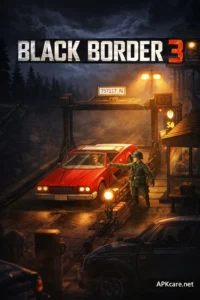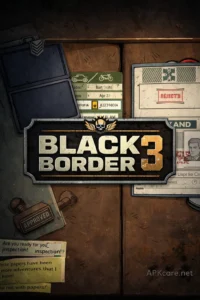
Remember the last time you had to wait in line at customs? That nervous feeling when the officer checks your documents? Well, Black Border 3 Game flips that script completely. Now you’re the one holding the stamp, making split-second decisions that could change someone’s day—or their entire life.
This border patrol simulator has captured attention for good reason. It takes the concept of checkpoint management and turns it into something genuinely engaging. You’re not just clicking buttons mindlessly. Every person who approaches your window has a story, and you’ve got to figure out what’s real and what’s fabricated.
What Makes Black Border 3 Game Different?
The immigration checkpoint game genre isn’t new. Papers Please pioneered this territory years ago. But Black Border 3 Game brings fresh ideas to the table. The graphics are sharper. The mechanics feel more refined. And the moral choices? They hit different.
You start each shift at your checkpoint booth. People line up. They hand over passports, visas, work permits, and various other documents. Your job seems straightforward: check if everything matches up. But here’s where things get interesting.
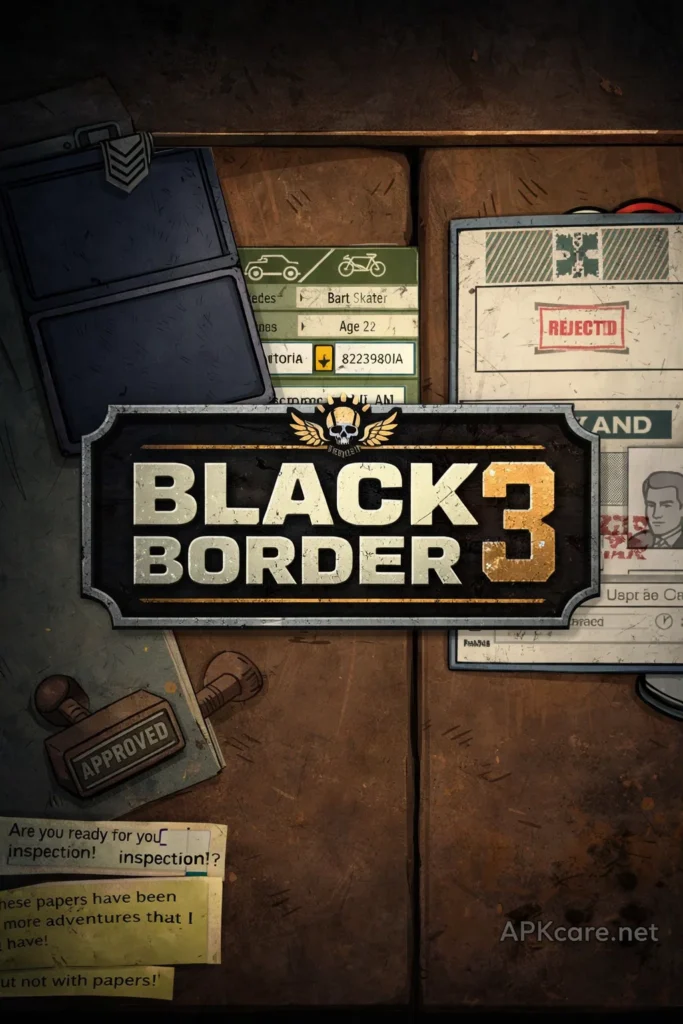
Someone might have a legitimate passport but a fake work visa. Another person could have real documents but suspicious body language. A third might be carrying something they shouldn’t. The game constantly tests your attention to detail.
Getting Started With Border Security Gameplay
When you first boot up the game, don’t expect a lengthy tutorial. Black Border 3 Game respects your intelligence. It gives you the basics and expects you to learn through experience. You’ll make mistakes. That’s part of the journey.
Your workspace includes several tools. There’s a scanner for documents. A database to cross-reference information. Sometimes you’ll need to search belongings. Other times, you’ll rely on gut instinct when something feels off about someone’s story.
The early shifts are manageable. A few people per day. Simple document checks. But the difficulty ramps up fast. Soon you’re dealing with dozens of people, each with multiple documents, and the pressure to process them quickly while maintaining accuracy.
Document Inspection That Actually Matters
This isn’t busywork. The passport verification system in Black Border 3 Game requires real focus. Dates need to match. Stamps must be genuine. Photos should resemble the person standing before you. Miss one detail, and you might let in someone dangerous—or worse, deny entry to someone innocent.
The game includes various document types. Standard passports are just the beginning. You’ll encounter diplomatic papers, refugee applications, temporary work permits, and more. Each has specific requirements and potential red flags.
Forged documents look convincing at first glance. The developers clearly researched what real forgeries look like. Slightly wrong fonts. Dates that don’t align with entry stamps. Holograms that reflect light incorrectly. These subtle details separate the pros from the amateurs.
Contraband Detection Challenges
Border security isn’t just about paperwork. People smuggle things. Your checkpoint includes equipment for finding hidden items. But you can’t search everyone—that would create massive backups.
Black Border 3 Game makes you develop instincts. Who looks nervous? Whose story doesn’t add up? Sometimes you’ll search someone based on protocol. Other times, it’s a hunch. Get it right, and you’ve potentially stopped something serious. Get it wrong, and you’ve wasted time and violated someone’s privacy unnecessarily.
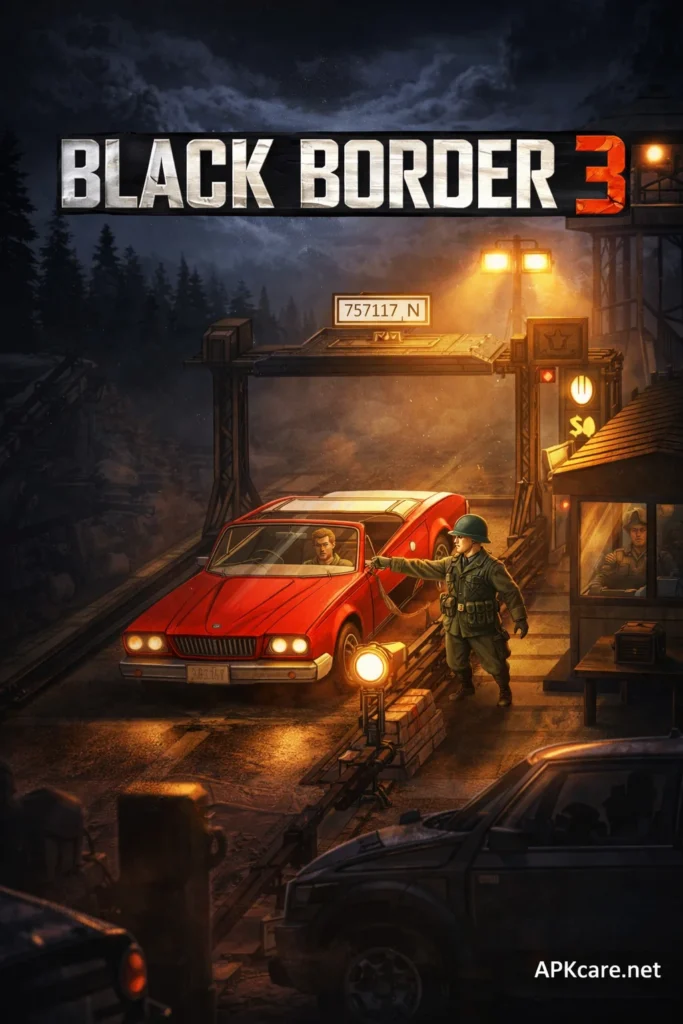
The contraband variety keeps things unpredictable. Sometimes it’s obvious stuff. Other times, you’ll discover clever hiding spots you never considered. The game rewards thoroughness but punishes paranoia.
The Moral Weight of Entry Denial Mechanics
Here’s where Black Border 3 Game earns its reputation. You’re not a robot processing forms. You’re making decisions about people. A family arrives with expired visas. Do you follow the rules strictly or find a reason to let them through?
Someone clearly forged a document but claims they’re fleeing danger. Another person has perfect paperwork but something about their demeanor screams “trouble.” The game rarely offers clear-cut answers.
These moments stay with you. Not because the game is preachy—it’s not. But because you feel the consequences. Deny the wrong person, and you might see news reports later showing what happened to them. Approve the wrong person, and… well, the outcomes vary.
Customs Officer Simulator Realism
The developers paid attention to how actual checkpoints operate. Your shift has quotas. Process too few people, and you’ll hear about it. Make too many mistakes, and your job is at risk. This creates natural tension.
You’re also dealing with supervisor expectations. Sometimes they’ll give you specific instructions to watch for particular things. Other days, you’re handling whatever comes through. The variety prevents the gameplay from becoming repetitive.
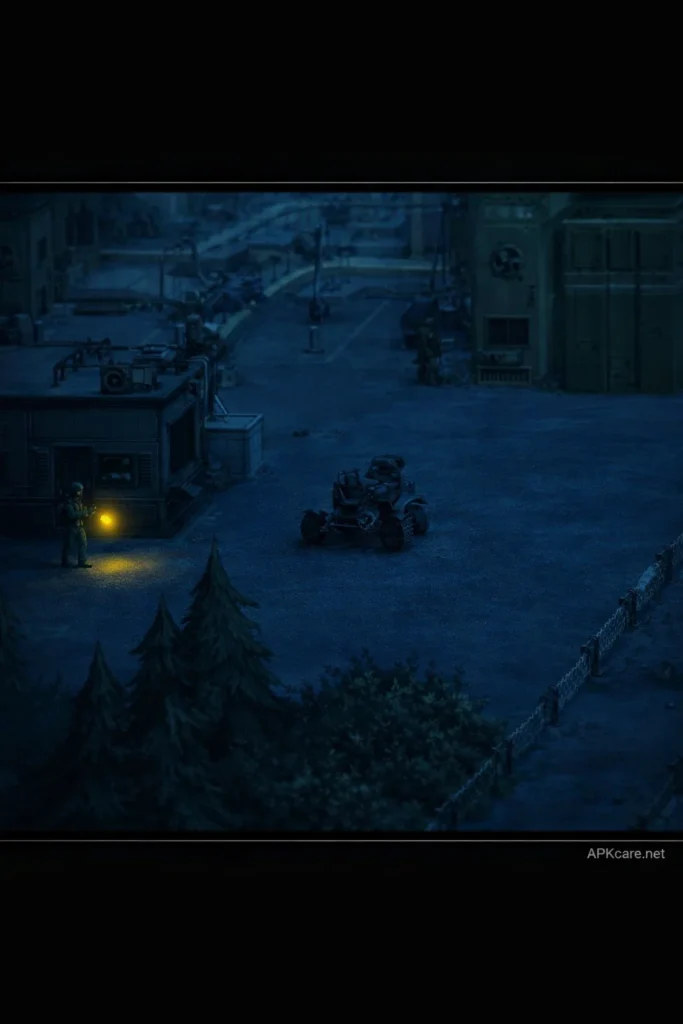
Black Border 3 Game also includes the mundane aspects of the job. Your booth needs maintenance. Equipment breaks down. You take breaks. These realistic touches make the intense moments hit harder because they’re surrounded by ordinary routine.
Checkpoint Management Strategy
Success requires developing a system. You can’t carefully scrutinize every document when there’s a line of fifty people. But you also can’t rush and make costly errors. Finding that balance is the core challenge.
Experienced players develop shortcuts. They know which document combinations are common. They recognize patterns in forgeries. The develop a sense for which people warrant extra attention. But the game throws curveballs to prevent complete automation of your decision-making.
Time management becomes crucial during peak hours. Do you take an extra minute to verify something suspicious, or keep the line moving? The game doesn’t pause while you’re thinking. People wait. They get impatient. Your stress level rises. It mirrors the real pressure of the job.
Immigration Control Complexity
Black Border 3 Game doesn’t simplify the politics of border security. Different factions have different agendas. Sometimes you’ll receive conflicting orders. Your government might want strict enforcement while international pressure demands leniency.
Current events within the game world affect who’s trying to cross and why. Political tensions create refugee situations. Economic conditions drive migration patterns. You’re operating within a larger context that constantly shifts.
This broader perspective prevents the game from feeling like you’re just checking boxes. Your individual decisions contribute to larger trends. Sometimes the game shows you statistics about how your choices compare to other officers. It’s sobering to see how personal judgment varies even when everyone’s following the same rules.
Document Fraud Detection Skills
The learning curve for spotting fakes is steep but rewarding. Early on, you’ll catch obvious forgeries. The printed text looks off. The paper feels wrong. The stamps are in incorrect positions.
As you progress, the forgeries improve. Now you’re looking for micro-details. A date format that’s slightly wrong for that country. An issuing authority that doesn’t exist. A passport number that fails the check digit algorithm. Black Border 3 Game respects players who pay attention to these nuances.
The game includes a reference system where you can look up proper document formats. But constantly referring to it slows you down. Eventually, you memorize the common ones and only check references for unusual cases. This natural progression from novice to expert feels earned.
Final Thoughts on the Experience
What sticks with you about Black Border 3 Game isn’t the mechanics alone. It’s how those mechanics create meaningful moments. You remember the person with the sick child who had expired documents. The businessman whose perfect paperwork concealed illegal goods. The refugee whose story seemed too convenient but turned out to be true.
The game succeeds because it doesn’t preach. It presents situations and lets you wrestle with them. Your choices have consequences, but the game trusts you to find your own moral path through the complexity.
Whether you’re drawn to the puzzle-solving aspects, the narrative elements, or just the satisfaction of getting good at a challenging job, this border patrol simulator delivers. It’s not always comfortable. Sometimes it’s downright stressful. But it’s consistently engaging in ways few games manage.